
Ayers in the studio and on the stage, baffling, bemusing and beguiling; better than history begs you to consider.

INCREASING IDIOSYNCRACY
1974 was probably when I first became aware of Ayers, as I dove into, with relish, his The Confessions Of Dr Dream. Sure, with an existing avid appetite for the inkies, I couldn’t be unaware of his louche presence and earlier output, but I had never earlier fully inhaled. I knew all about the Canterbury beginnings, early Soft Machine and the then increasingly idiosyncrasy he applied to his image, but this was by way of reading not listening. It was probably the Melody Maker front page coverage of the live ACNE (Kevin Ayers, John Cale, Nico & Eno) show that persuaded me to, first, buy the live document of that show, and then Dr Dream. The first was, OK, a patchy affair, but, Dr Dream, sold me and forever.
I since gathered that hardcore Ayers acolytes enjoyed more his earlier work, or said they did, as being more authentic and experimental, with closer links to the Soft Machine ethos, the band that put his name on the map, if only for their first album. You’ll have to look elsewhere for those three releases, and, sure, I get the gist, but, shallow as I am, I just prefer him when he matched melody more with eccentricity, with a preference for the possibly glib and sometimes silly songs he could coax out at the drop of a hat. And always a slightly battered Panama hat, at that.
The set here contains the entirety of 4 consecutive releases, along with a plethora of live outings and radio sessions. Let’s hit the studio sets first:
THE CONFESSIONS OF DR. DREAM & OTHER STORIES
BLOW THE BLOODY DOORS DOWN
With all the kudos, and cash, of a new recording contract, with Island records, this album burst out with a bang, blowing the bloody doors down. Day By Day is fabulously funky clavinet led calypso/rhumba hybrid, with Ayers belting out the joyful entreaty with glee, with a full Ladybirds style backing vocal ensemble echoing every step of the way. Ludicrously catchy, it was probably a shock for the too cool for school brigade, and, IMHO, shoulda coulda been a monster in the singles charts, and stuff the albums crowd.
A DEVOUTLY COMMERCIAL RACKET
30 seconds of sublime silliness, See You Later, with car horn honks and Swanee whistle then introduces some peak rawk guitar, courtesy Ollie Halsall, and the devoutly commercial racket of Didn’t Feel Lonely. Bang bang bang, has there been a better opening salvo than this? Followed by some smooth and mellow blues, with added Mike Oldfield, follows, before moody midnight keyboards introduce It Begins With A Blessing.
I knew this a reprise of a song on that first Soft Machine album, but, until now, I confess I never got around to listening to the original. That now remedied, I sort of get why he did it, as there is a feel of truncated imagination on the original. Here, Ayers is unfettered, the song moving through the three movements the make up the 8 minute plus song, incorporating louche cocktail jazz, Vegas wedding chapel organ, lugubrious spoken word recitation, and the heavy, and heavily phased, chorus. It is absolutely gorgeous.
DR PHIBES OR KILLER?
Usually then picking up the needle, the 58 seconds of Ball Bearing Blues, closing side 1 remain as broadly supernumerary as it did then, a reminder of how probably annoying the singer might have been in his cups. And why I like him so much. Side 2 is the more difficult part of the record, the experimental side, the suite of 4 compositions that make up the title track. With the passage of time I am finding more to admire in the first, Irreversible Neural Damage, which wouldn’t be amiss on any record the Pink Floyd might have made around that time.
Invitation is then some a courtly renaissance processional, on electric guitars that alternate with scurrying keys, before the deeply sentimental One Chance Dance, a ballad on electric piano, where the singer channels his full Como. I remember then, as now, the relief of the conclusion, the Dr Dream Theme, a gloomy doom Dr Phibes-y incantation. Of all things, a half century on, it reminds me of the coda of Killer, the track, by Alice Cooper. (Which is good, btw.)
As with the side preceding, the short filler/charming interlude of Two Into Four seals the original release, but Cherry Red have tucked on some singles only material of the same year, 1974. The Up Song is a bit too cheesy for even me, but After The Show is a fine song I remember from an end of contract sampler from Island. Thank You Very Much is finally a further will this do guitar based noodle that needn’t have troubled us.
SWEET DECEIVER
ALL IN THE TITLE?
10 months after the relative success of Dr Dream, Sweet Deceiver was deigned to fill much the same footprint. Rather than the massed ranks of old chums and comrades who contributed then, now Ayers, who had wrested away the production from Island’s choice of a returning Rupert Hine, had more of a band about him, with Halsall his trusty(?) lieutenant across the whole album, rather than just a solitary track. A curiosity saw also the presence of Elton John, as Ayers had been drawn into the John Reid stable of artists, alongside John.
A SURFEIT OF BANANAS
Observations opens the disc as a rough and ready rocker, which intersperses sweet verses of a Beatle-y tune with some aggressive instrumental shenanigan. The Leslied guitar is sweetly of its time. It’s OK. Guru Banana then scratches Ayers’ obsession with the fruit, and, depending on mood, is either risible nonsense or winsome and engaging pastiche. The scattergun remains fully employed, for the low-key kookiness of City Waltz, which, by way of massed choral bv’s then self-destructs any appreciation. Toujours La Voyage is a lush piano, thanks, Elt, led ballad that is just, frankly, dull. It is clear this is no Dr. Dream.
Moving on swiftly, the title track is a meat and potatoes colouring in of standard templates, But, whilst Diminished Not Finished might suggest another spin around the Toujours La Voyage, it is actually the best song here, the lyrics possibly touching on the frame of mind of the composer, as if to prove he still could still crack ’em out. No such luck Circular Letter, although there is a better song lurking beneath the hurried delivery. Once Upon An Ocean, replete with a cod rasta accent, ought to be a disaster, but the sheer rakishness of it, and a sound that is more Bad Manners than anything else, just about reprieves it. Just, leaving Farewell Again (Another Dawn) to sugar coat a slight feeling of having been sweetly deceived.

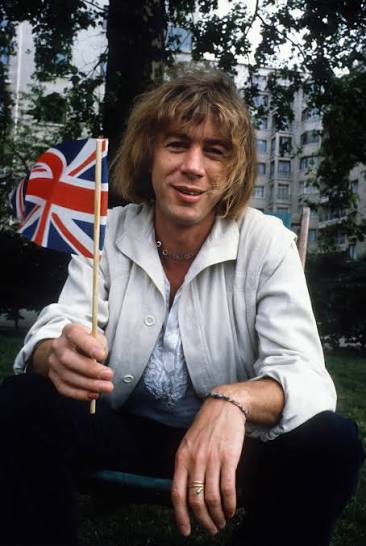
YES, WE HAVE NO MAÑANAS, SO GET YOUR MAÑANAS TODAY
SWINGALONG SWAYALONG
Jumping ahead a disc and a half, thereby skipping various live performances, the title of this 1976 release saw Ayers back on Harvest records and his gift, at least for wordplay, still extant. Again a Halsall led core band, with Charlie McCracken and Rob Townsend adding their basement wallop in the rhythm section. It starts promisingly with a swingalong swayalong, Star, which is all boozy bar buddy good vibes, at least instrumentally. Any vestige of progressive long forgotten, it still hits a certain nostalgic spot. As does Mr Cool, a song so trite that even the Bonzo’s couldn’t have got away with it, but Ayers, by pulling out al the stops, somehow makes it nothing less than you want or would expect from him.
On the back of that, The Owl is a further slice of agreeable nonsense that draws you in. Halsall turns over some extraordinary guitar to gild the lily, and al seems again well. Love’s Gonna Turn You Round sees piano threatening a more underground direction, before it becomes another lightly sinking lilt, with an ear worm refrain, and the singer sounds a happier man than the one on the album before. I remember Falling In Love Again, and, yes, it is that one; was it a single? Rather than any distraught Dietrich, Ayers plays it the totally alluring sociopath, unable to take responsibility for the actions of others about his person.
GETTING AWAY WITH IT
Quality dips for the formulaicism of Help Me, which, as it gets followed by the engaging Mr Snake, suggesting his forte is far more in chansons and pastiche. Mr Snake, clearly, is what you might imagine, too, but, by brunt of personality and a lop-sided grin, gets away with it. Everybody Knows The Song cantilevers in some further bluebeat cadences, and this must have been a relief to those cautiously watching the notoriously unreliable Ayers from the wings. Finishing off with a piano torch song, Yes I Do and the near nursery rhyme, Blue, it isn’t as great as Dr Dream, but it is still a good album. As Halsall’s guitar chimes out the closing outro of Blue, you almost believe more of it, even as you try and remember where Ayers last used the tune.
RAINBOW TAKEWAY
PLAYING TO HIS STRENGTHS
Skipping, again, past the live that we’ll get to eventually, it was a 2 year gap ahead Rainbow Takeway. With much the same line-up still present, it purports a period of stability. Which, with the light cocktail croon of Blaming It All On Love, plays right to his strengths, and remains about as firmly against any other prevailing tides in 70’s music you might otherwise encounter. Ballad Of A Salesman Who Sold Himself attempts a step back into edgy, as it starts, before the temptation of kitschy melody proves too strong, loungecore before it was a thing. But A View From The Mountain picks up the edgy baton with greater success, perhaps belying the production, this time around, from Slapp Happy’s Anthony Moore. Tuneful it ain’t, interesting it is.
BLUES TO WOO
Rather than following it through, the title track decides to keel off into Wizzard style glam-rock territory, a little past prime. Brash and strewn with horns, it isn’t bad, just a little wrong. Waltz For You now sneaks in an Ayers favourite, a bluesy ballad to woo anyone willing into his orbit. It’s actually a touch redolent of John Cale in presentation. Beware Of The Dog II has nothing to do with Beware Of The Dog from his earlier release, Bananamour, which preceded this collection. Disposable reggae-lite, he can do better, even if and as it raises a wry smile.
One of several songs that feature on the aforementioned Harvest Ayers sampler, Strange Song is a superb caprice that could soften the hardest of hearts, put together with affection and strongly redolent of the flights of fancy of a less addled Syd Barrett. Goodnight Goodnight slips the quality control, an issue that tends to creep in toward the end of any of his recordings, with Hat Song being totally surplus to any contractual requirement. But, like Mañanas, it’s another relatively solid concoction.
THAT’S WHAT YOU GET BABE
CAREFUL WITH THAT CANDLE
With this, the last album during this time period, and dated 1980, being squeezed onto the same disc as the album ahead it, the suggestion might be the not much live was ongoing as the decade drew to a close, and that wouldn’t be wrong. Ayers was now a full-time resident in Deia, on Majorca. With even the title suggesting little to actually relish, it seems it was very much cobbled together, by Graham Preskett, the producer of this and Rainbow Takeway, in an effort to appease the label, his fanbase and the singers own declining funds. He and Halsall were each burning their respective candles as close the wick as they could contrive, and good new material was not always the outcome.
Be that as it may, a multi-tasking Preskett enabled a veneer of expectation to be met. Opening with the title track, it is quite a jolly mix’n’match of tune and texture, commercial rock-pop no worse than much that was then bothering the charts. And so it goes, sticking to the more orthodox hook-laden pattern of Where Do I Go From Here. Which, actually, had never been that much explored by Ayers, he tending more to the quirky. And, although You Never Outrun Your Heart is more typically Ayers, with a West Indian vibe, it has never been so overtly pop music.
REMARKABLY GOOD VOICE
A change of velocity for the elegant swirl of Given And Taken, noting that Ayers is in remarkably good voice. Against expectation and against the putdowns of the day, it is proving a decent listen. OK, was, as Idiots is a poorly conceived post-punk skinny tie thrash about of little consequence, like a Rockpile outtake. Followed by the lacklustre Super Salesman, the shelves are seeming empty. Money, Money, Money isn’t that one, I almost wishing it was, it rather being a nothing special music hall parody. Lifted by the steelpan familiarity of Miss Hanaga, it isn’t enough to lift the album. Especially as it photocopies into the overly similar I’m Tired. Finally, as a disconsolate Ayers moans out Wheree Do The Stars End, it feels like a sort of epitaph.
THE REST
LIVE
The bonus tracks for disc 2, Sweet Deceiver, are culled from a concert in Paris, 1975. Apart from spotting Zoot Money in the credits, there is little of appeal, other than to hear Ayers’ slow drawled French introductions. Signature song, Stranger In Blue Suede Shoes falls over and the band of mainly rockers are not up to the complexities of Dr Dream.
Disc 3 is all from various BBC sessions, a John Peel and an in Concert. Again, I note John ‘Rabbit’ Bundrick is providing keys for the first, Money again for the second, but nothing improves over any studio versions, despite a brave stab at Lady Rachel.
AND LET LIVE
Disc 4 has some live tracks appended and disc 5 is all such, all dating from around 1976. Halsall is not in evidence for any of these 3 performances, with Andy Summers taking his place, which offers a more angular approach. Lest the good folk at Cherry Red take umbrage at my dismissal their worthy excavations, I guess I should come clean, admitting to never, much, taking to or seeing the point of live performances, feeling that, in most situations, the studio facilities make for a more successful display of the intentions of the performer.
In conclusion, this is still a box-set worth having. Ayers is such a mercurial talent as to confound as many listeners as he delights. Across the 5 different LPs here represented, I would say Sweet Deceiver is the only overall dud, and that the albums before and after damn near essential, right up the first side of the final one represented. The packaging is splendid and the detailed booklet that comes with it is Both interesting and informative, engrossing even, and written by the project compiler, Mark Powell.
Here’s Strange Song, from Rainbow Takeway:
Kevin Ayers: Website
At The Barrier: Facebook / X / Instagram
Categories: Uncategorised
